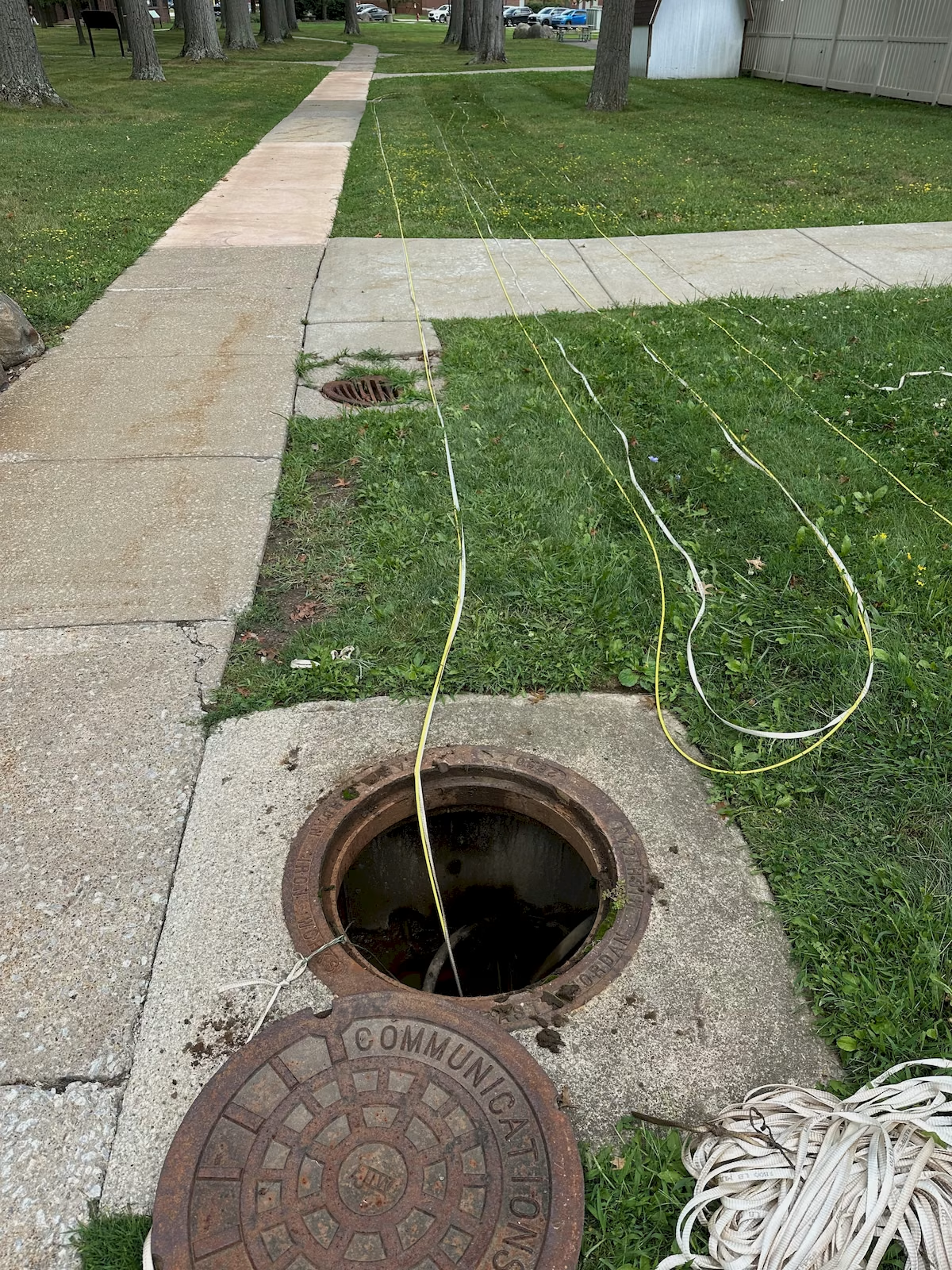
Damaged outdoor fiber located, excavated, fusion-spliced, and protected inside sealed underground closures.
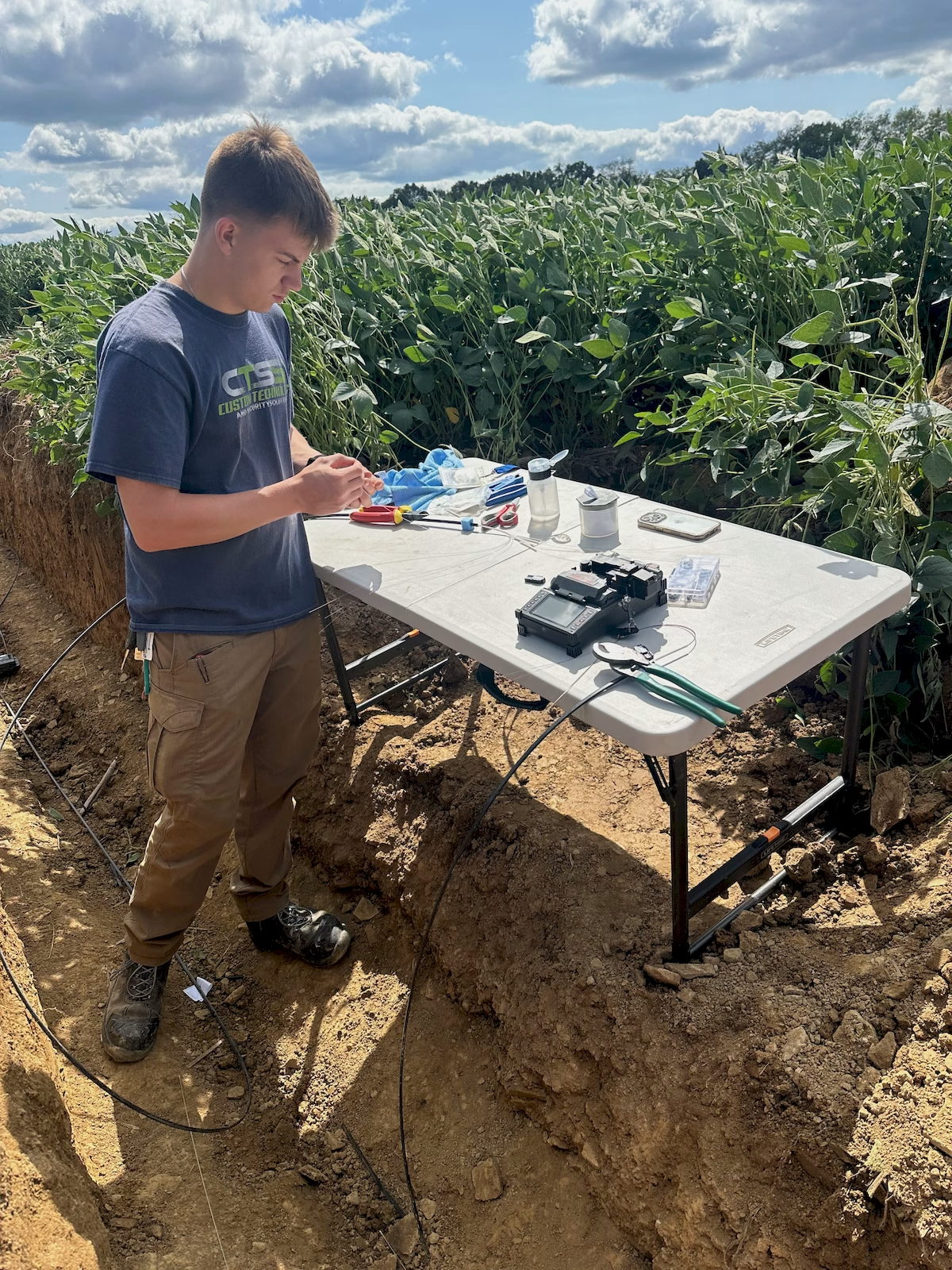
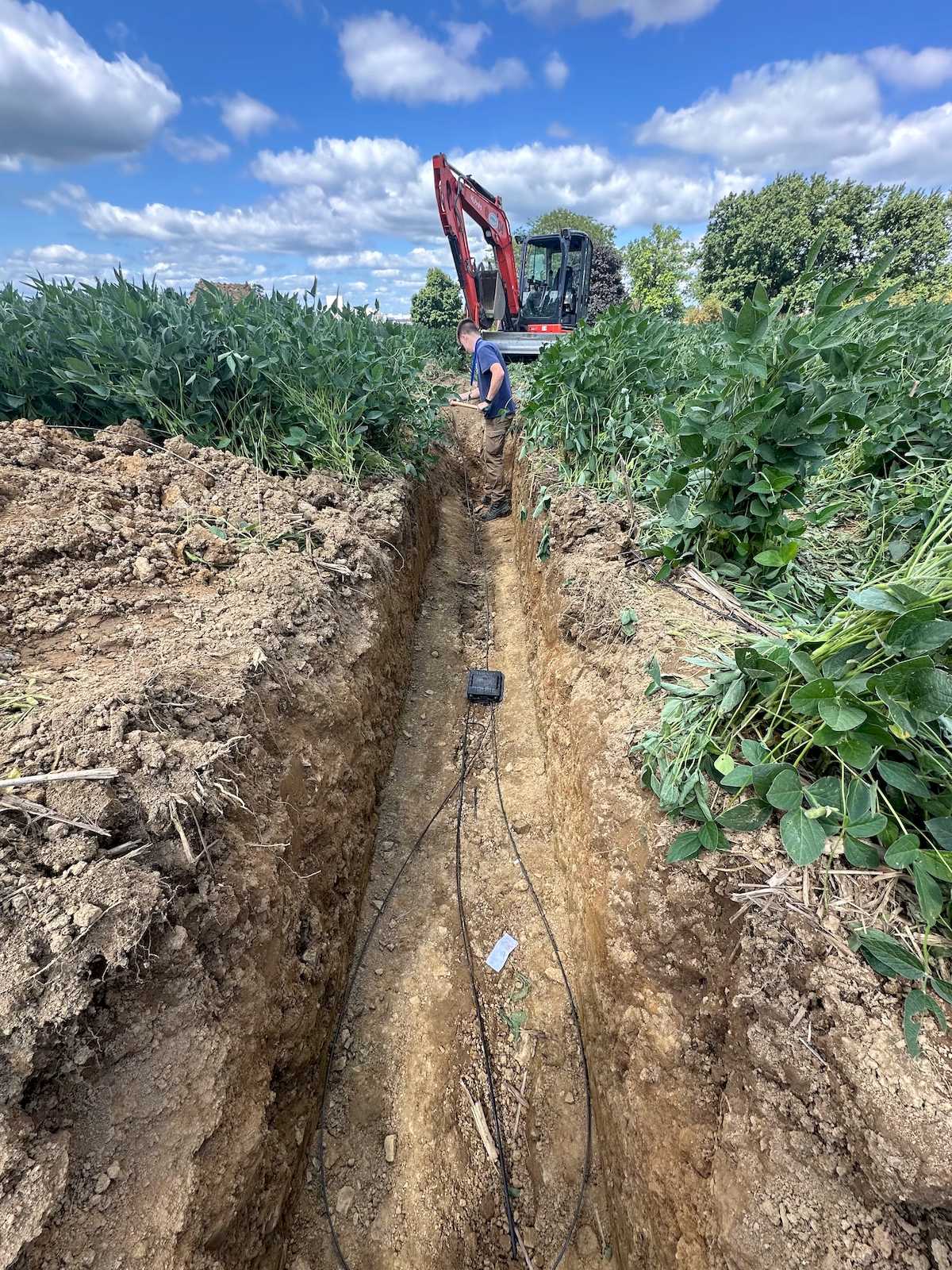
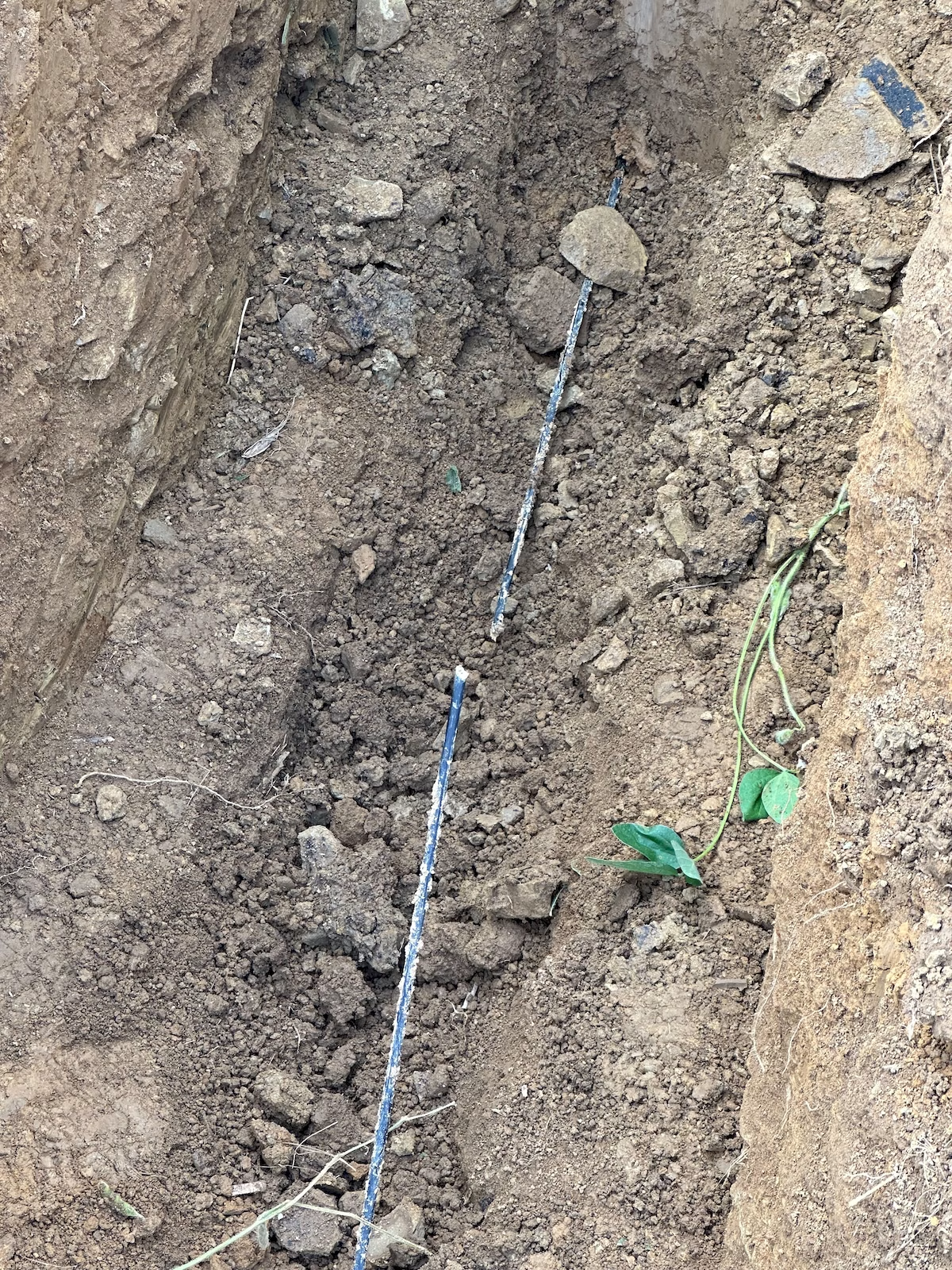
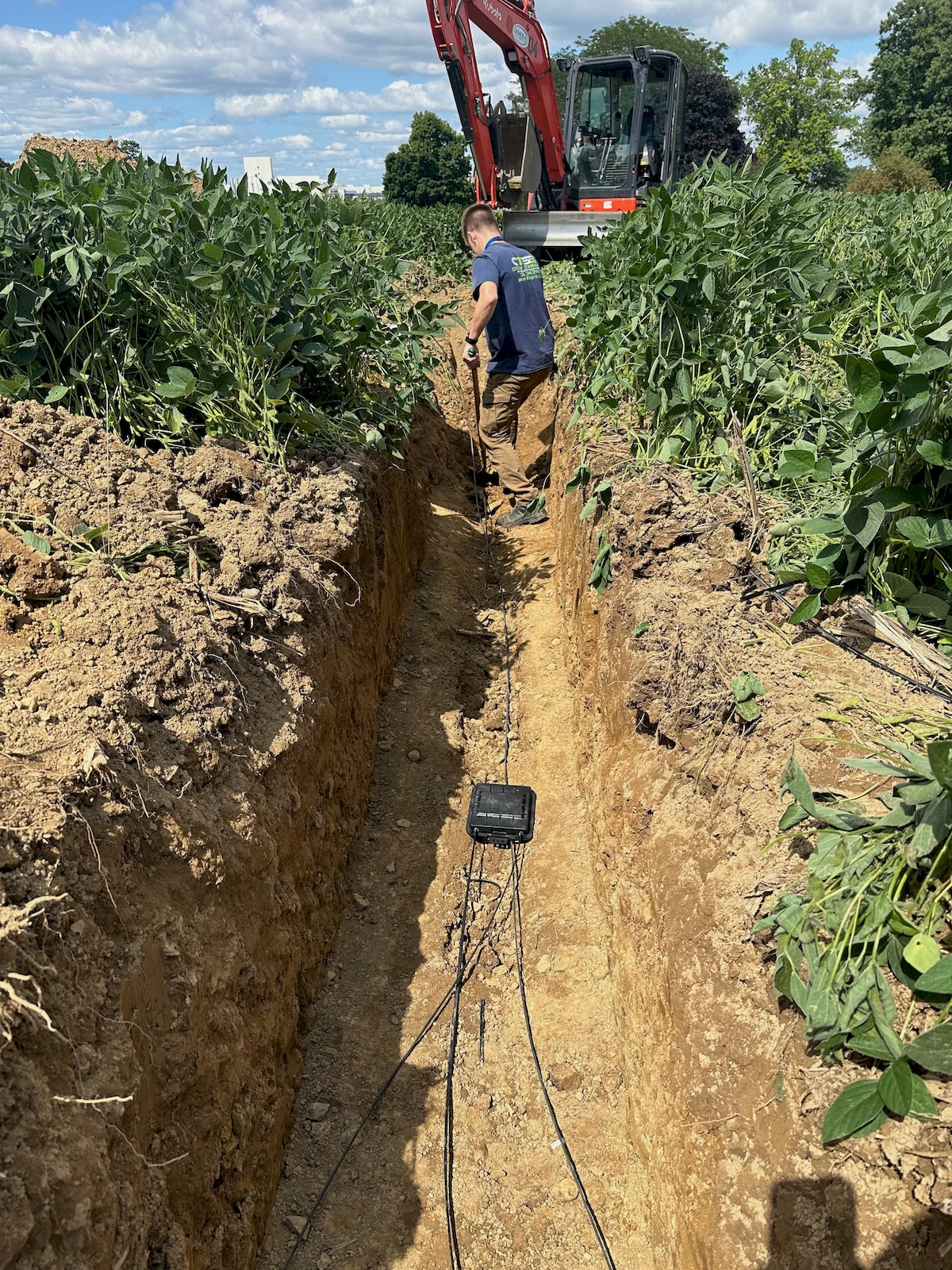
CTSS responded to an underground fiber failure along an exterior route crossing an open field. Reaching the damaged cable required excavation of the affected section and careful exposure of the existing fiber line.
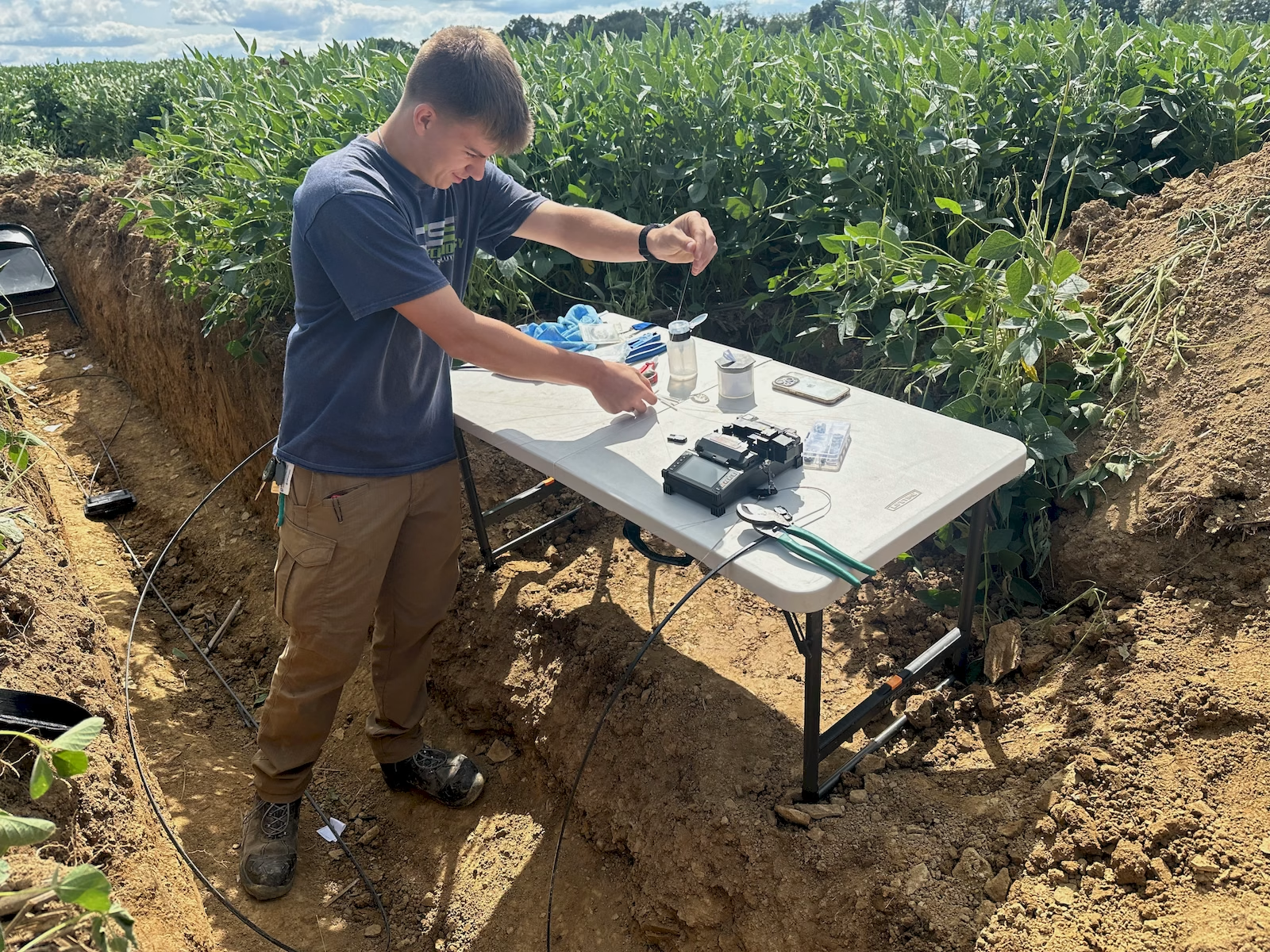
Once the cable was accessible, technicians prepared the fiber ends and performed the repair using outdoor fusion-splicing equipment. The completed splices were organized inside sealed closures intended to protect the repair within the underground environment.
The damaged fiber was buried beneath an active field with no immediate indoor access point. The cable first had to be located and exposed without causing additional damage to the remaining fiber route.
Outdoor fiber repair also introduces environmental concerns, including dirt, moisture, uneven working conditions, and the need to keep delicate optical fibers clean throughout preparation and splicing.
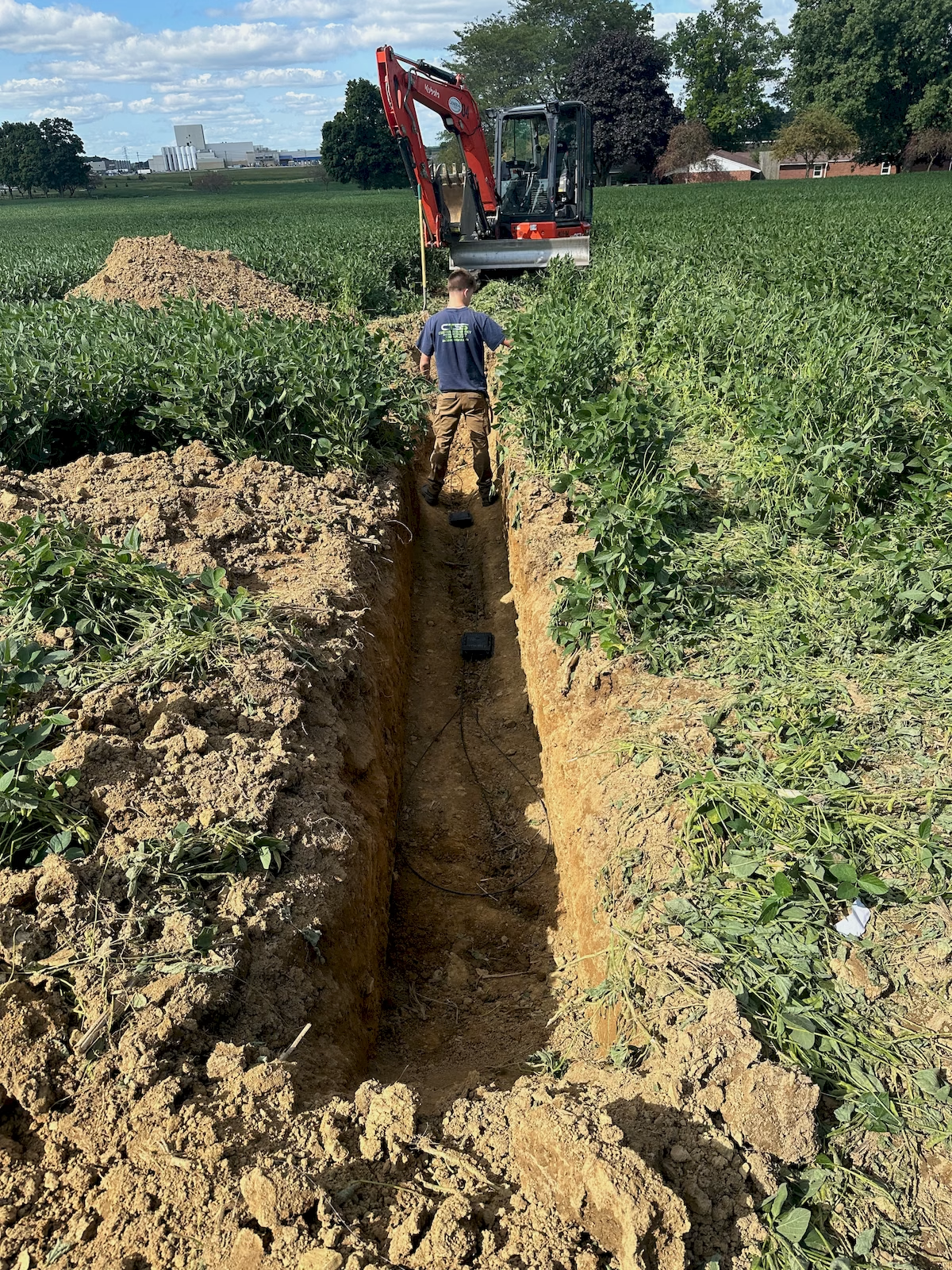
CTSS coordinated excavation along the suspected fiber route and exposed the damaged cable section. The cable ends were prepared at a temporary outdoor work area beside the trench, where technicians used fusion-splicing equipment to reconnect the required fibers.
The repaired fibers and cable slack were placed inside sealed underground splice closures. The closures and cable route were then positioned within the trench for protection before restoration of the excavation.
The damaged underground fiber route was repaired without replacing the entire cable run. Fusion splicing restored the physical fiber connection, while sealed splice closures protected the repaired sections within the underground pathway.
The repair allowed the existing fiber infrastructure to remain in service with a targeted replacement of the damaged section rather than a complete route rebuild.

Yes. Many damaged underground fiber cables can be repaired by exposing the affected section, preparing the cable ends, fusion-splicing the individual fibers, and protecting the repaired section inside a sealed splice closure.
Fusion splicing permanently joins two optical fibers by precisely aligning and fusing their glass cores. It generally produces a low-loss connection suitable for permanent commercial fiber infrastructure.
Excavation is usually required when the damaged cable or splice location is directly buried and cannot be reached through an existing vault, handhole, or conduit access point. The amount of excavation depends on the route and damage location.
The repaired fibers are typically organized inside splice trays and enclosed within a sealed outdoor splice closure. The closure protects the fibers and splices from soil, moisture, movement, and other underground conditions.
CTSS provides commercial fiber troubleshooting, fusion splicing, underground cable repair, and fiber infrastructure services throughout Northeast Ohio.