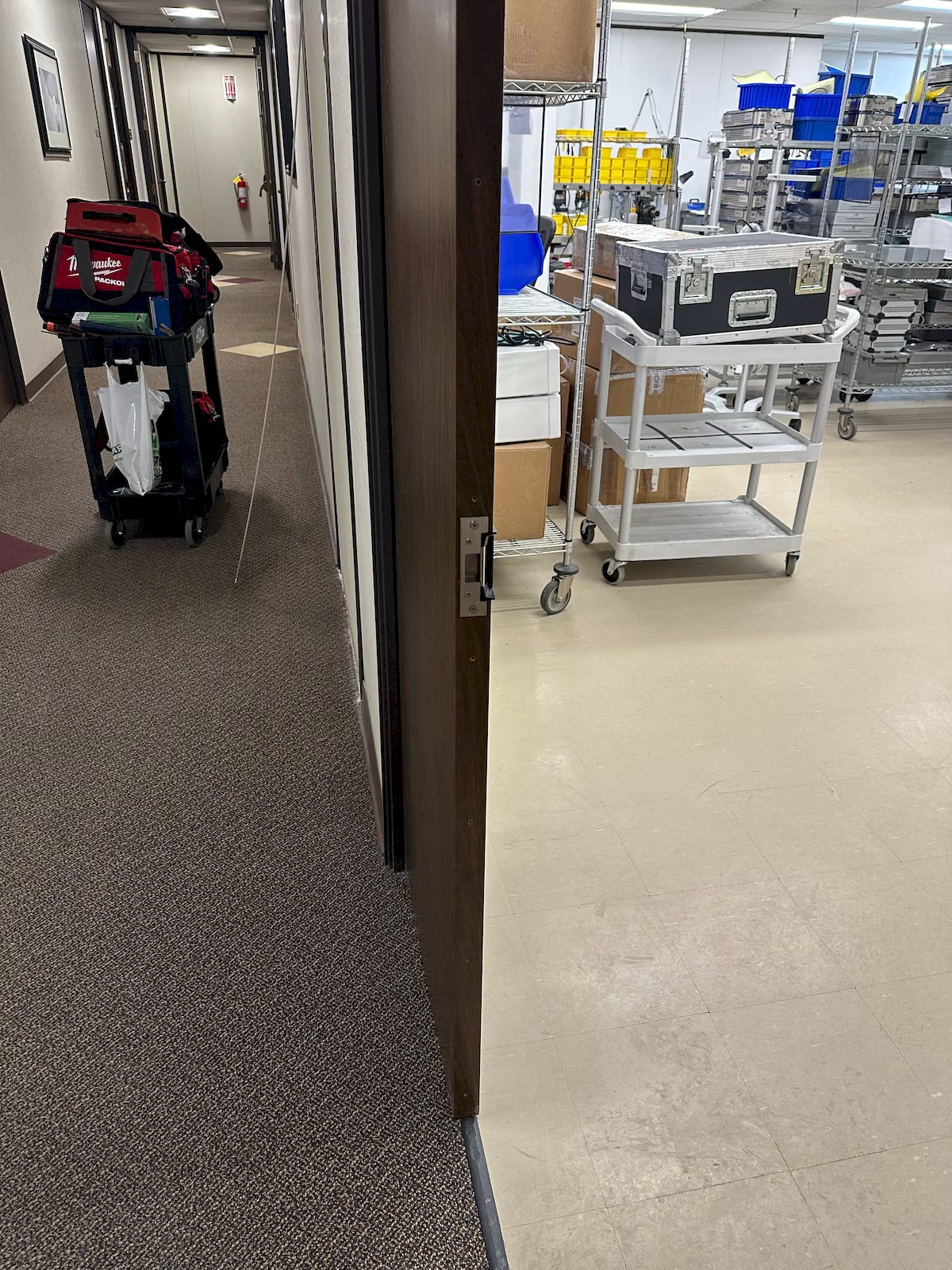
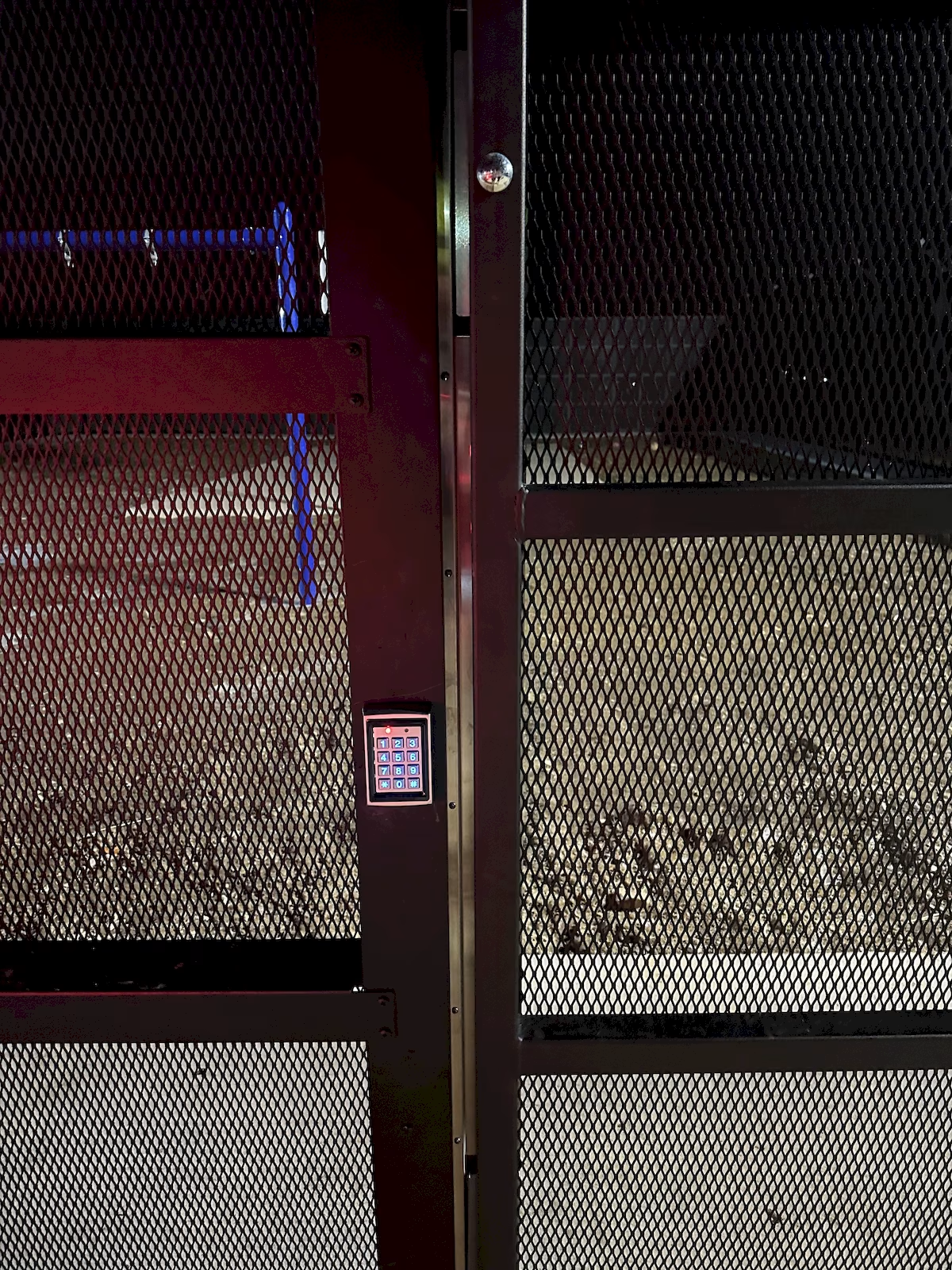
A commercial exterior gate secured with a full-length maglock and keypad-controlled entry system.
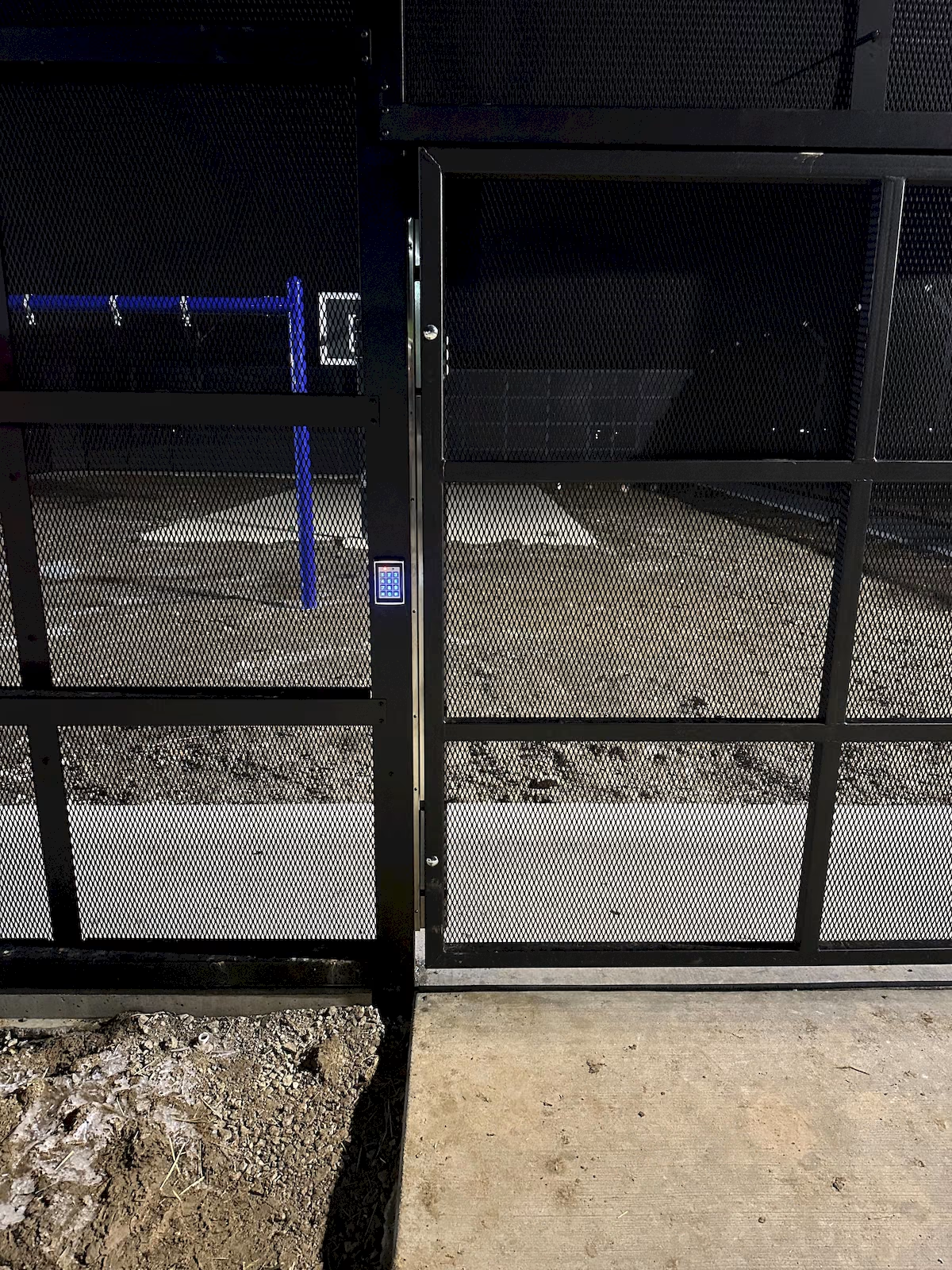
CTSS installed an electronic access control system on an exterior pedestrian gate at a commercial property. The existing gate required a locking solution suited to its open metal construction, outdoor location, and full-height frame.
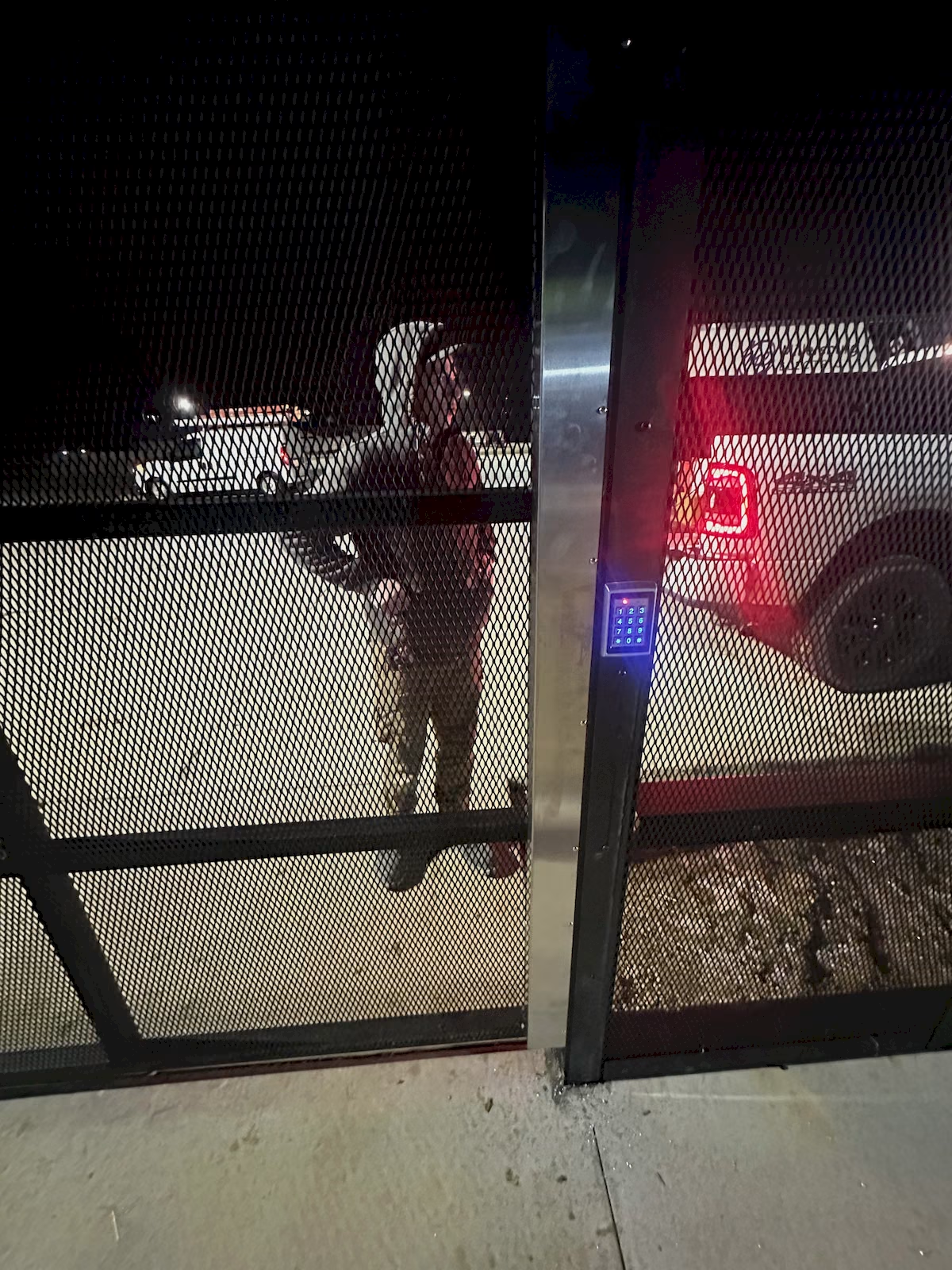
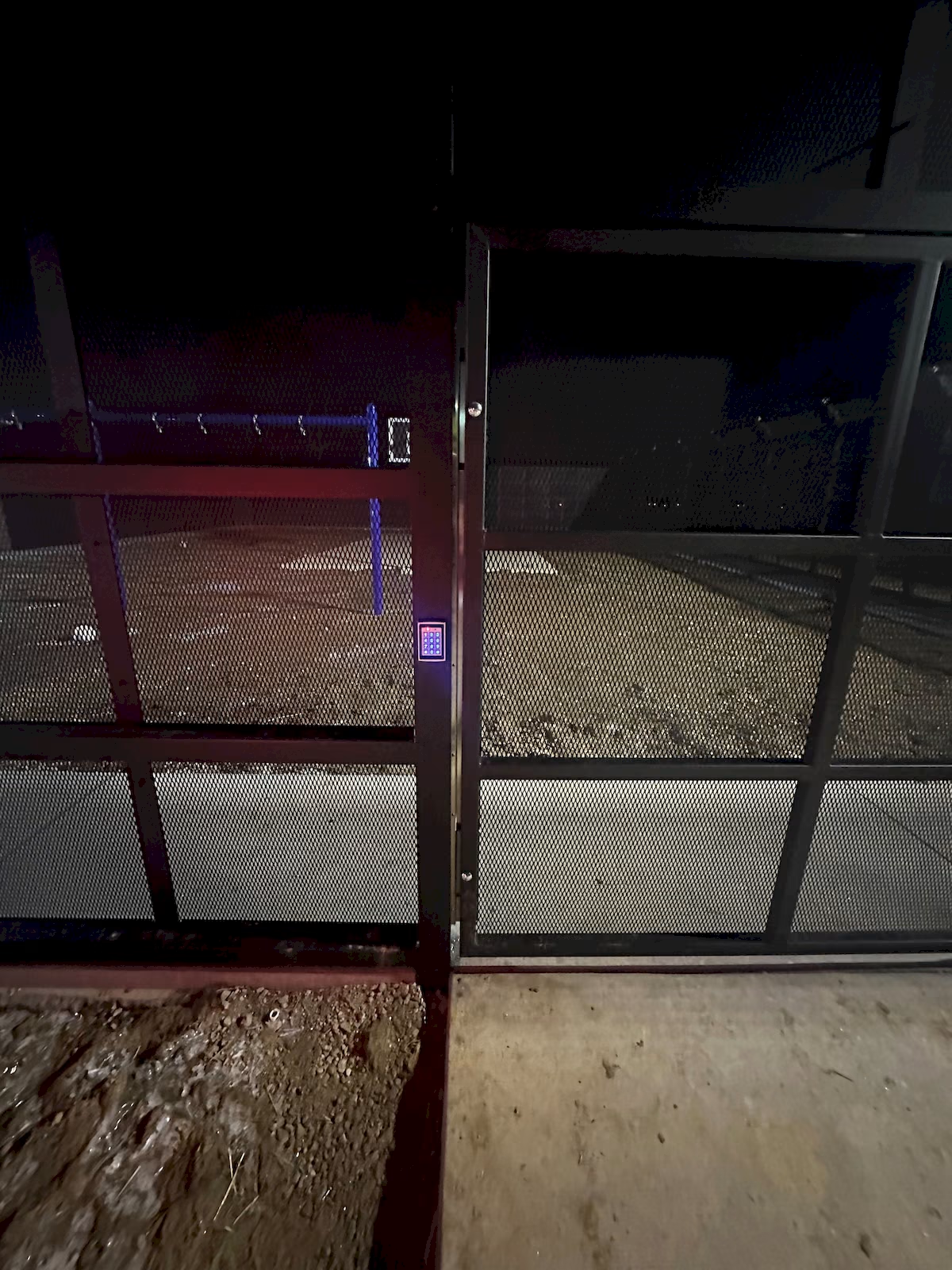
A full-length magnetic locking assembly was installed along the gate’s closing edge, and an illuminated keypad was mounted at the entry point to provide controlled access for authorized users.
The gate’s expanded-metal construction and exterior exposure made a standard door-locking solution unsuitable. The system needed to secure a tall metal gate while maintaining proper alignment across the locking edge.
The hardware also had to remain accessible and functional in an outdoor environment while providing a straightforward entry method for approved personnel.
CTSS fitted the gate with a full-length electromagnetic locking assembly designed to distribute holding force along the gate’s vertical edge. The locking components were aligned with the existing metal frame to support consistent engagement when the gate closed.
An illuminated keypad was mounted beside the gate to provide code-based entry. The system was then tested to verify keypad operation, magnetic lock engagement, gate alignment, and controlled release.
The exterior gate was converted into a controlled access point without replacing the existing gate structure. Authorized users can now request entry through the keypad, while the full-length maglock helps secure the gate along its vertical closing edge.
The completed installation provides a more controlled and manageable method of securing the exterior area after hours.

Yes. Many existing pedestrian and security gates can be retrofitted with keypads, credential readers, magnetic locks, electric strikes, and access control hardware. The gate structure, alignment, power availability, and egress requirements must be evaluated first.
A full-length magnetic lock uses an extended locking assembly mounted along the vertical edge of a gate. It provides a larger mounting surface and can help reinforce tall gates where a smaller lock may not provide suitable alignment or support.
Outdoor access control equipment should be selected specifically for exterior use and installed according to the manufacturer’s environmental requirements. Weather resistance depends on the keypad, enclosure, wiring methods, and mounting location.
Yes. Depending on the access control platform, exterior gates can use PIN codes, cards, key fobs, mobile credentials, or combinations of these methods. The available options depend on the reader and controller selected for the property.
CTSS installs commercial gate access control, keypads, magnetic locks, credential readers, and secure entry systems throughout Northeast Ohio.