
Precision floor penetrations created to support vertical structured cabling and low-voltage routes through an existing commercial facility.
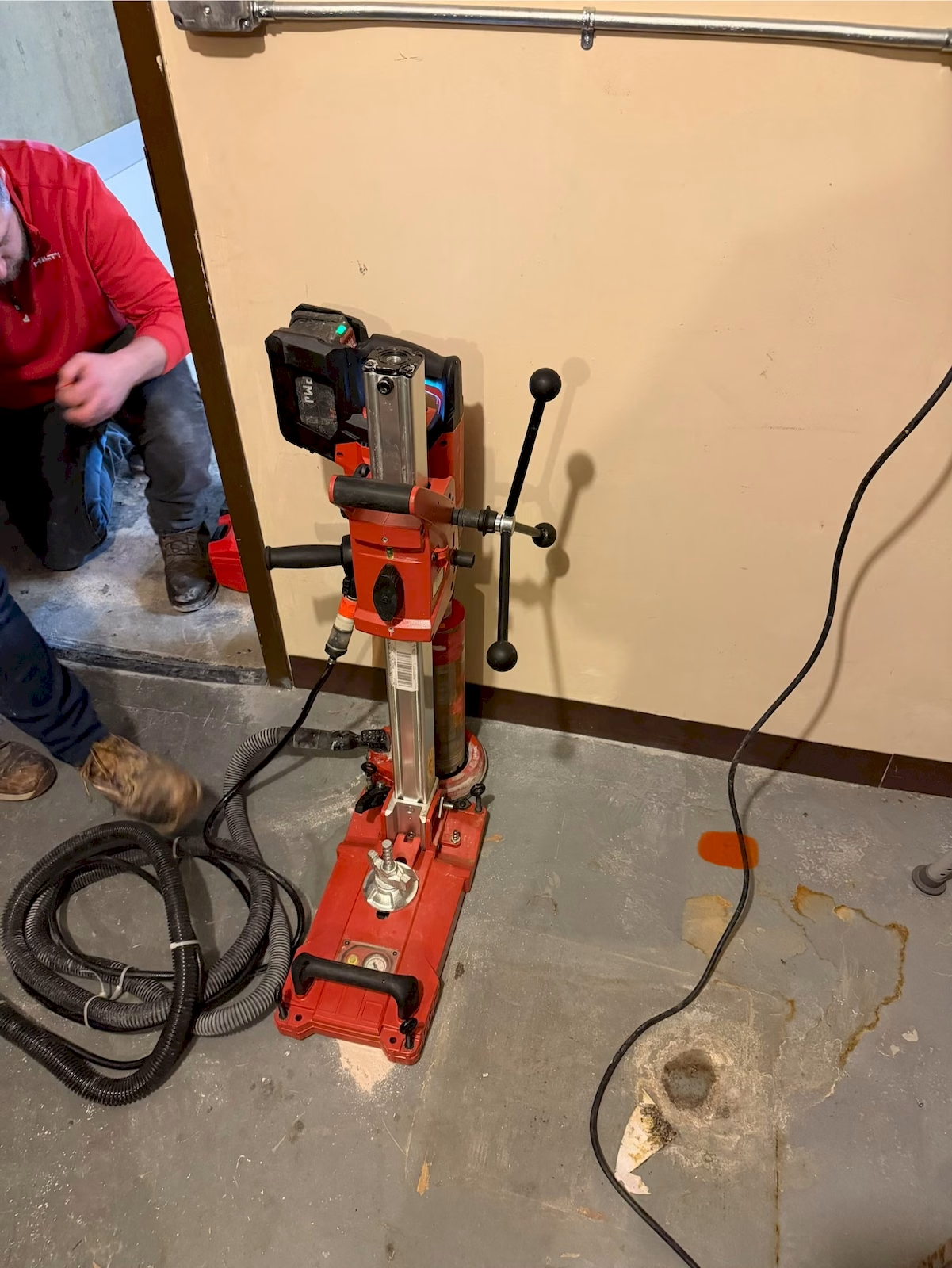


CTSS performed precision concrete core drilling to establish new low-voltage cable pathways within an existing commercial building. The project required openings through concrete floors and potentially masonry surfaces so cables could be routed between rooms or building levels.
Core drilling provided a cleaner and more controlled method than breaking or chipping large areas of concrete, helping preserve the surrounding structure and finished spaces.
The existing facility lacked suitable pathways for the planned low-voltage and structured cabling routes. Running cables between levels required accurately placed penetrations through concrete while working around existing communications equipment, electrical services, walls, and finished flooring.
The work also required controlling drilling slurry, dust, debris, and vibration inside an occupied building environment.
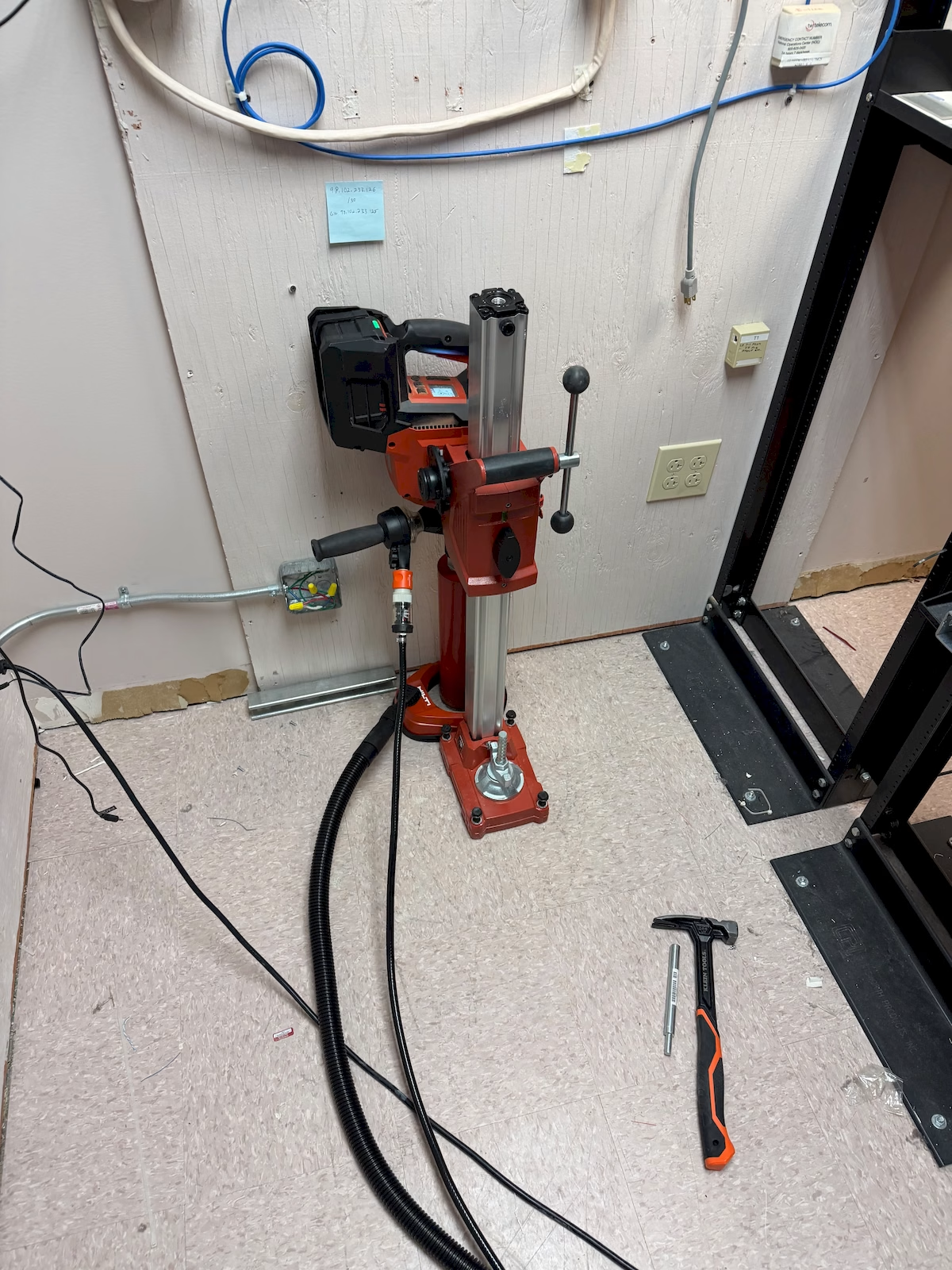
CTSS identified the required penetration points and positioned professional core-drilling equipment at each location. Anchored drill stands were used where stability and precision were required, while handheld equipment was available for other pathway conditions.
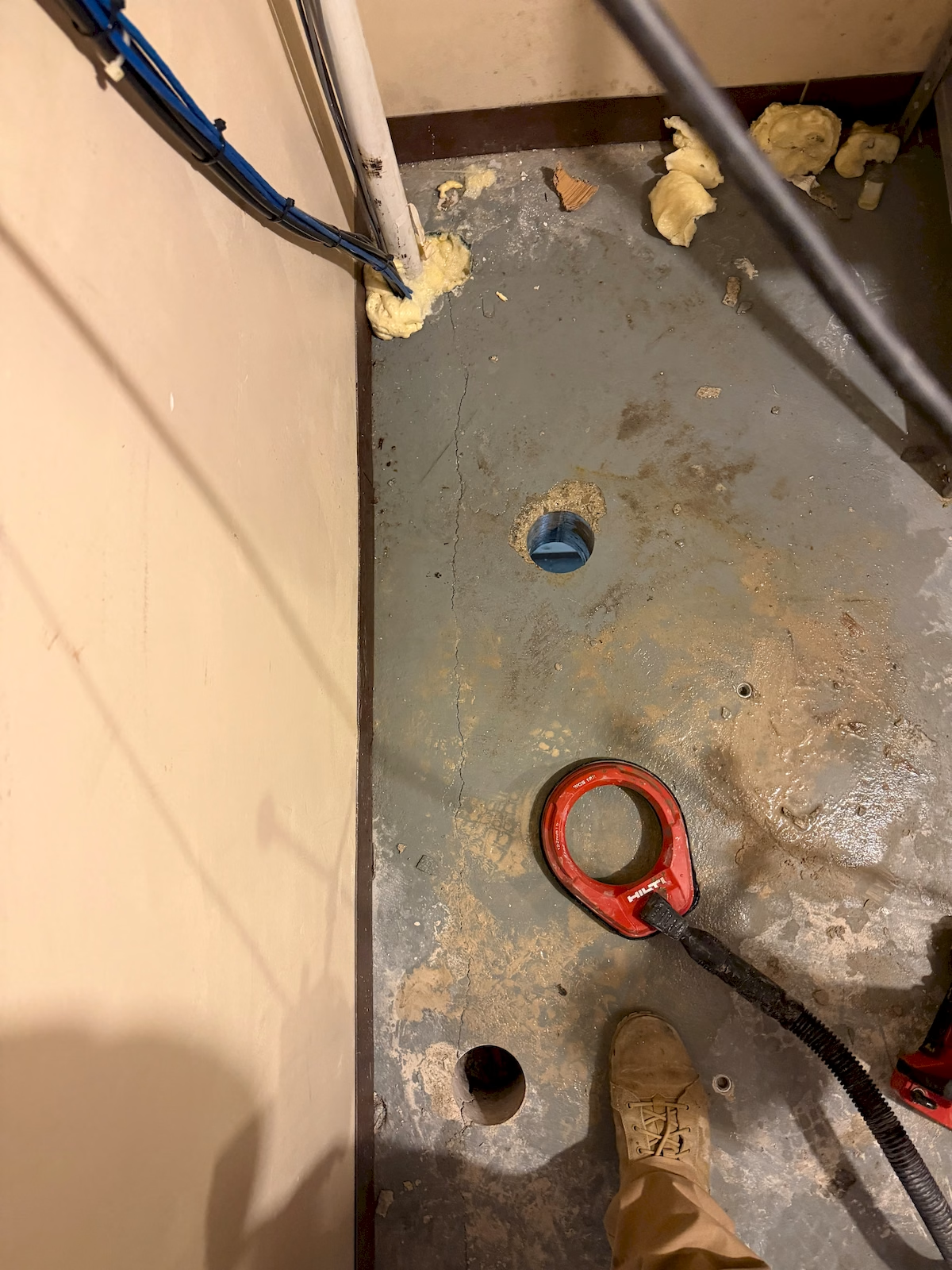
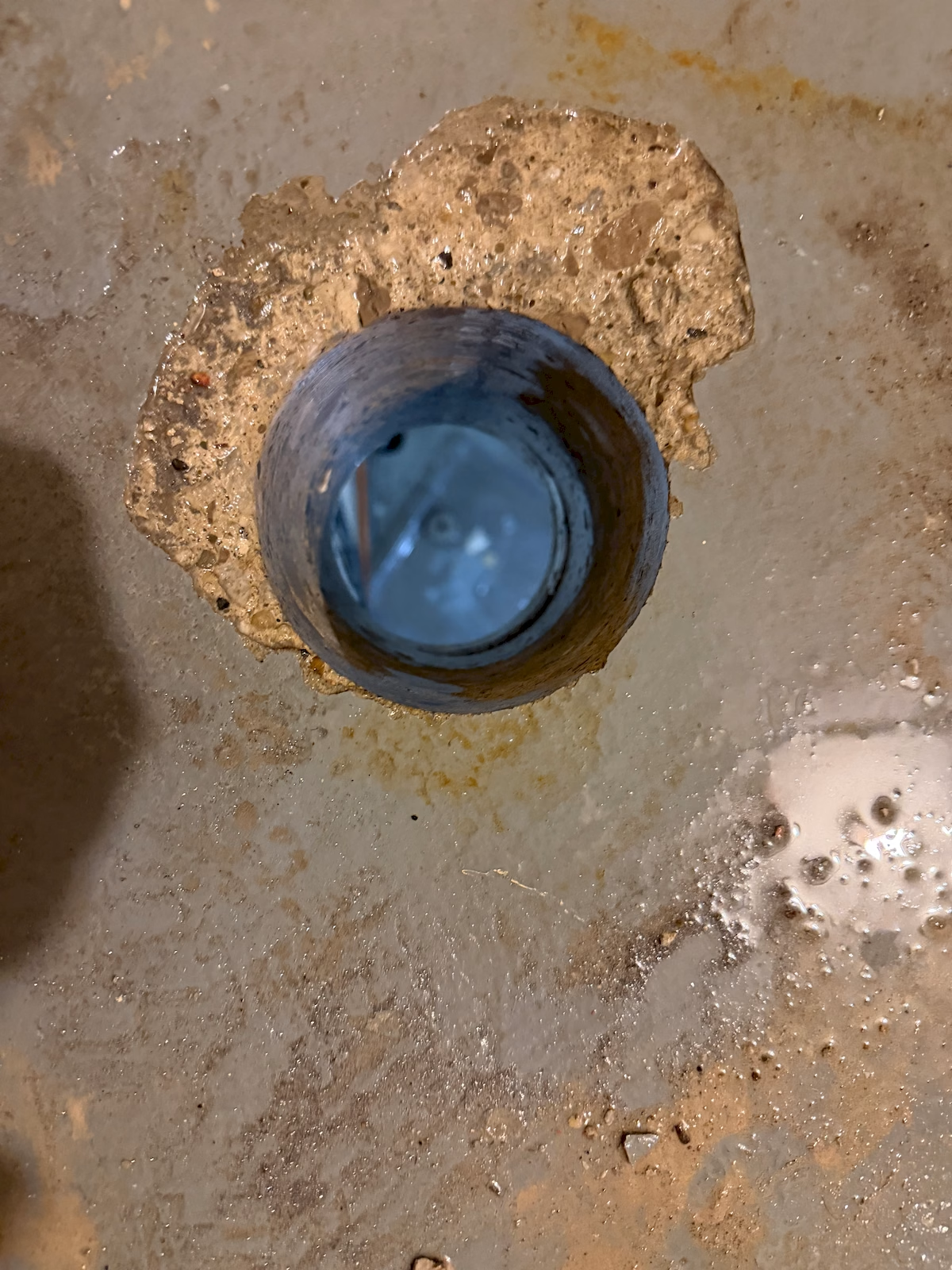
Dust and slurry-control equipment helped contain debris during drilling. After each core was removed, the openings were inspected to verify that the pathway was clear and properly positioned for the planned cabling route.
The project created clean, accurately placed pathways through the existing concrete structure. These penetrations provide the physical route needed for vertical structured cabling, backbone cabling, or other low-voltage infrastructure.
Using core drilling reduced unnecessary demolition and created more controlled openings for the next phase of the installation.
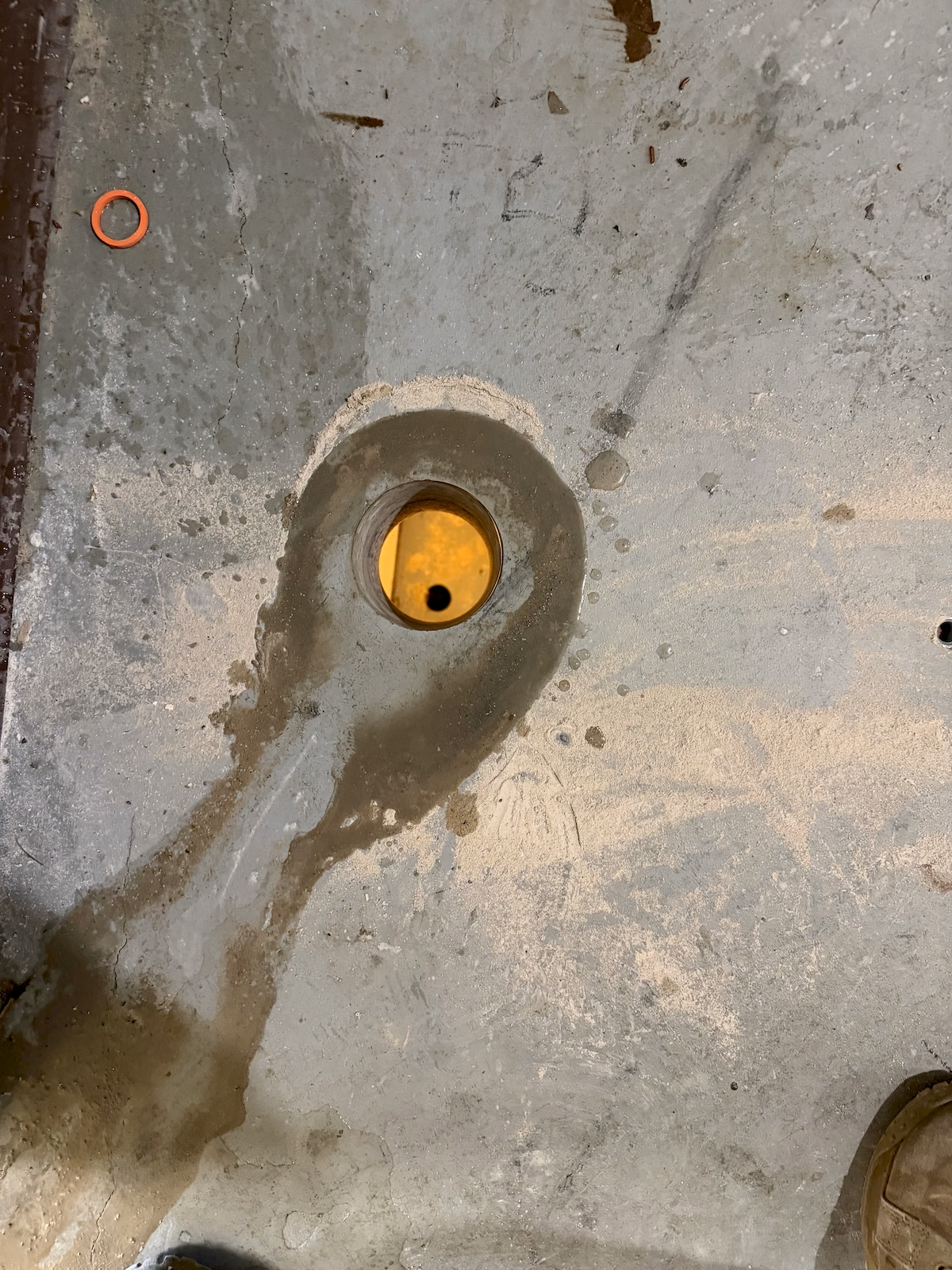
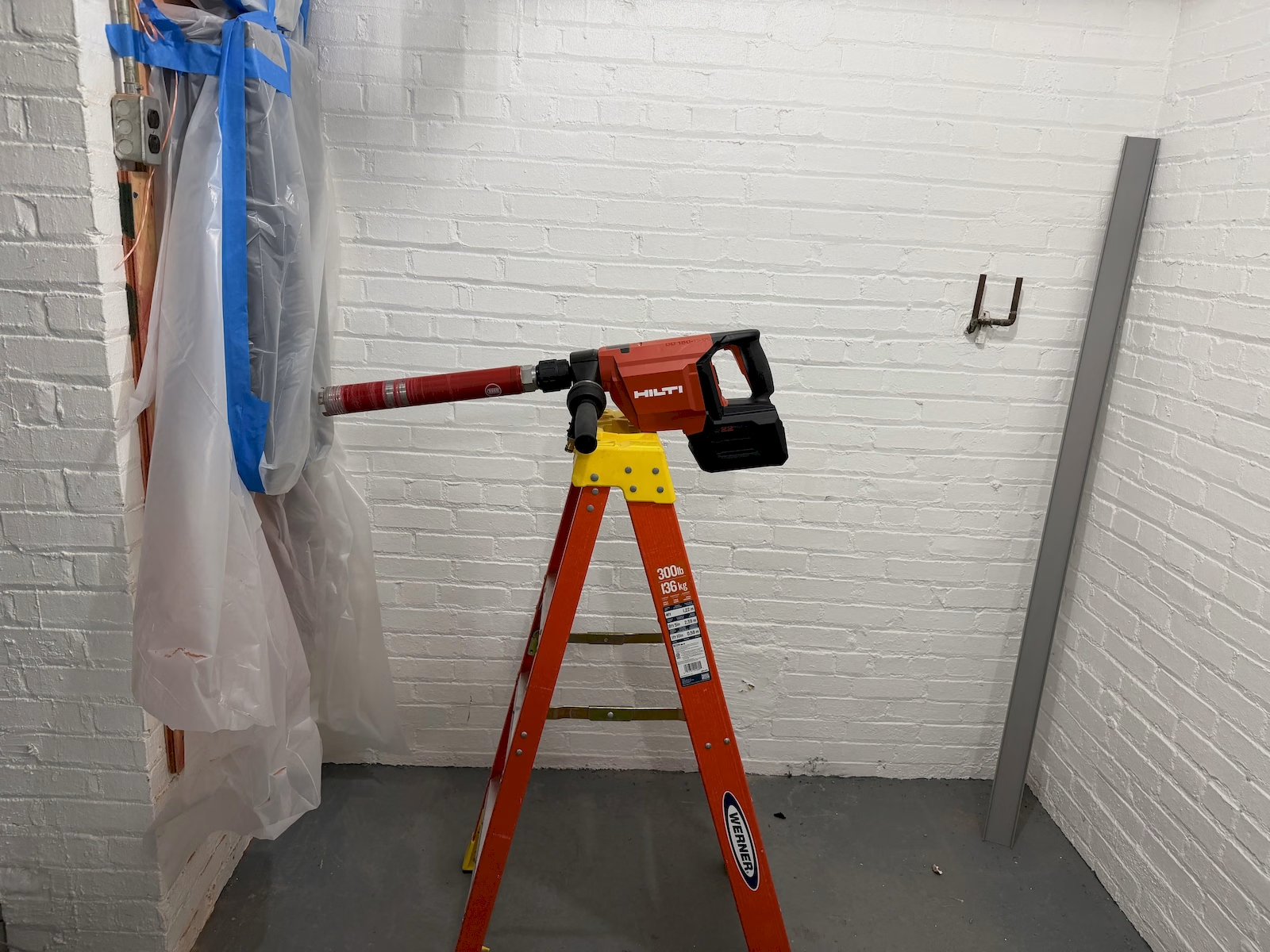
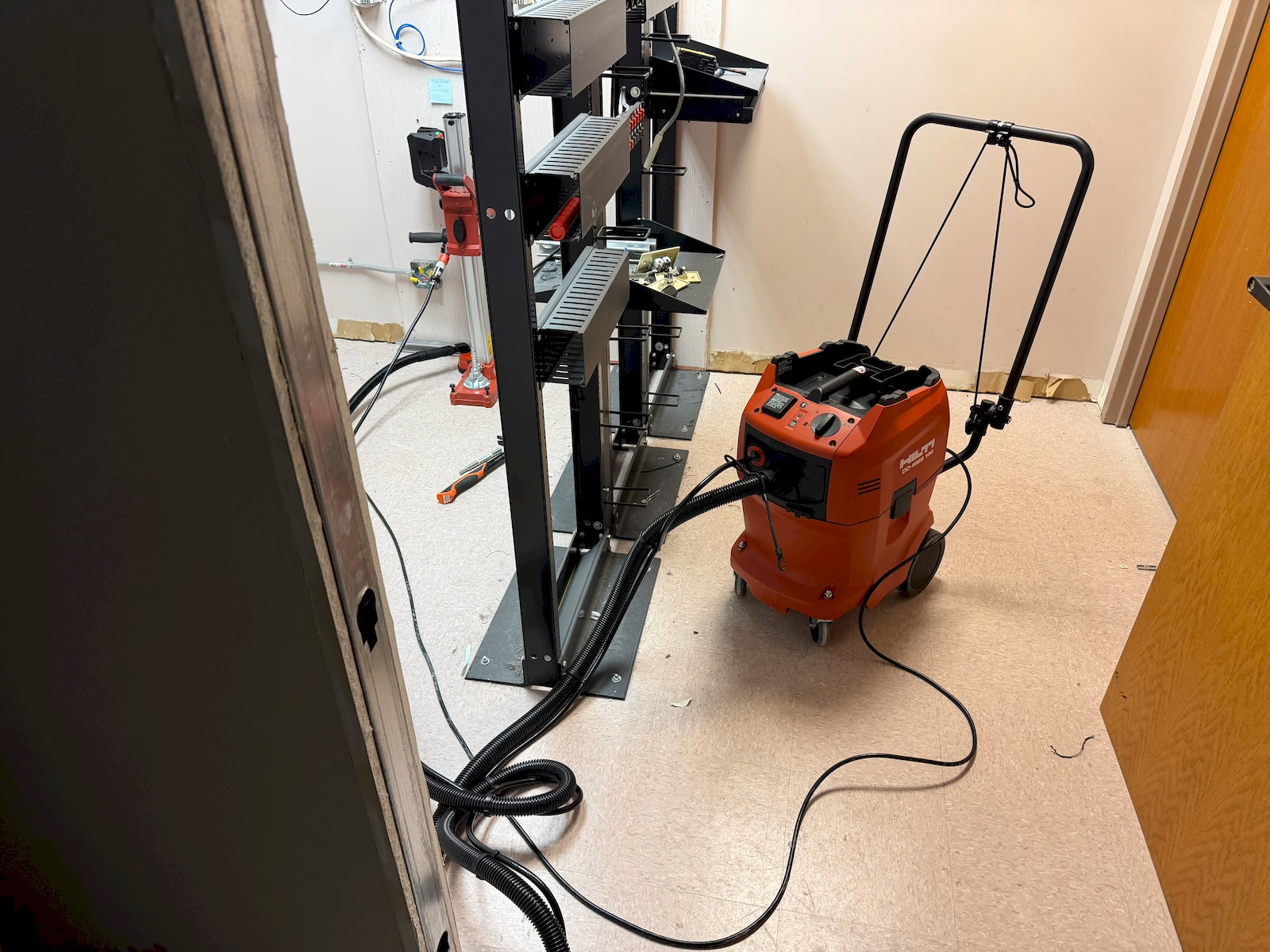
Core drilling creates a clean circular opening through concrete floors or walls so network, fiber, security, and other low-voltage cables can pass between rooms or building levels. It generally creates a more controlled penetration than conventional demolition methods.
Yes. With proper planning, surface protection, dust control, slurry containment, and coordination, concrete core drilling can be performed inside many occupied commercial buildings while limiting disruption to surrounding areas.
Yes. Core-drilled openings are commonly used for conduit, cable sleeves, backbone cabling, fiber routes, and other building infrastructure. The opening size must be selected for the pathway and applicable clearance requirements.
Penetrations through fire-rated floors or walls generally require an approved firestop system appropriate for the construction and installed materials. The exact requirements depend on the building assembly, pathway, and applicable codes.
CTSS provides commercial structured cabling, low-voltage pathway installation, core drilling, conduit routing, and network infrastructure services throughout Northeast Ohio.
